Orchiata Orchid Bark

Orchiata is 100% pure New Zealand Pinus radiata bark, processed through a proprietary aging method that removes the waxy outer layer of raw bark so each chip holds water and nutrients on its surface while the inner core stays structurally hard. Standard fir bark breaks down in 12–18 months. Orchiata growers report plants in excellent condition after 10+ years in the same media — no repotting, no root disturbance, no guesswork. It's been the substrate of choice in Japanese commercial orchid nurseries for over 30 years, and it arrives pH-balanced to 5.5–6.5 ready to use directly from the bag.

✓ Aged, Not Composted✓ Lasts 5+ Years✓ Beneficial Micro-Organisms Included
Shop Orchiata on Amazon →
Orchiata Orchid Bark | 100% Pure New Zealand Pinus Radiata | Classic ' to ' Organic Potting Bark for Aeration and Longevity
Lasts 5+ Years Without Repotting Lasts 5+ Years Without Repotting

Solid Pinus radiata particles resist chipping and composting — growers have documented plants in excellent condition after 10+ years in the same media, versus 12–18 months for standard fir bark.

Ships With Beneficial Micro-Organisms Ships With Beneficial Micro-Organisms

Orchiata's aging process promotes Penicillium and Trichoderma fungi — organisms that actively compete with pathogens and should never be washed off or sterilized away.

pH 5.5–6.5 Balanced From Day One pH 5.5–6.5 Balanced From Day One

Dolomite added during production calibrates pH to the range most orchids require — no pre-flushing, no conditioning step, and no salt accumulation in the dense, non-absorbent inner core.

From 1.8 Million Acres of Renewable Forest From 1.8 Million Acres of Renewable Forest

Sourced from man-made Pinus radiata plantations in New Zealand — a timber industry by-product, not a dedicated harvest — with 20+ years of consistent production from Daltons.

Choose the Right Orchiata Grade for Your Orchids

All three Orchiata grades available on Amazon share the same 100% Pinus radiata base and the same aging process — the meaningful difference is chip size, which changes how quickly the media dries, how much oxygen reaches roots between waterings, and which genera the grade suits best. Getting that match right matters more than any additive.

Orchiata Orchid Bark | 100% Pure New Zealand Pinus Radiata | Power 3/8' to 1/2" Organic Potting Bark for Aeration and Longevity

Orchiata Orchid Bark Power №5

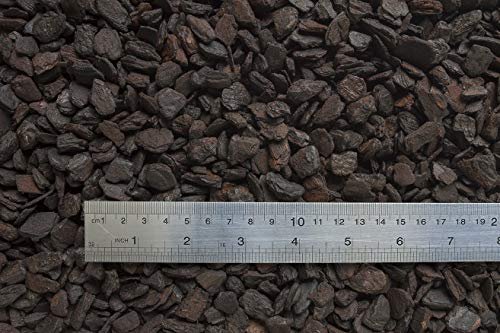
Power (3/8"–1/2", 9–12mm) is the all-purpose grade — chip size is large enough to create stable root anchoring and reliable drainage, while the balanced moisture profile keeps the media from drying out in under 48 hours under normal household conditions. It works across the widest range of genera of the three available grades.

The recommended starting point for most Phalaenopsis and Paphiopedilum growers in 4"–6" pots — if you're unsure which grade to order, this is the one.

See on Amazon
Orchiata Orchid Bark | 100% Pure New Zealand Pinus Radiata | Classic ' to ' Organic Potting Bark for Aeration and Longevity

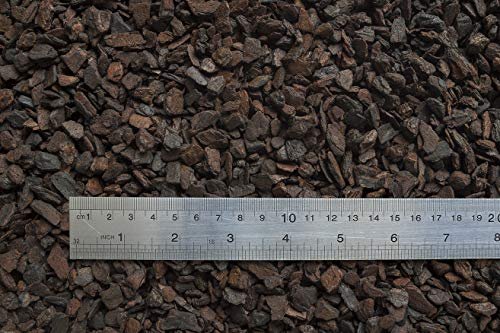
Classic Grade Fine Bark (6–9mm)

Classic (1/4"–3/8", 6–9mm) is the finest grade available on Amazon, with the highest water-holding capacity of the three — it stays moist longer between waterings, which makes it the right call for young plants being moved into their second pot and for moisture-preferring genera that punish fast-drying media.

Best for seedlings, young orchids in early establishment, Miltoniopsis, and growers in dry climates like Phoenix or Las Vegas where the Power grade dries faster than their watering schedule allows.

See on Amazon
Orchiata Orchid Bark | 100% Pure New Zealand Pinus Radiata | Power Plus 1/2" to 3/4" Organic Potting Bark for Aeration and Longevity

Orchiata Orchid Bark Power+ (№5a)

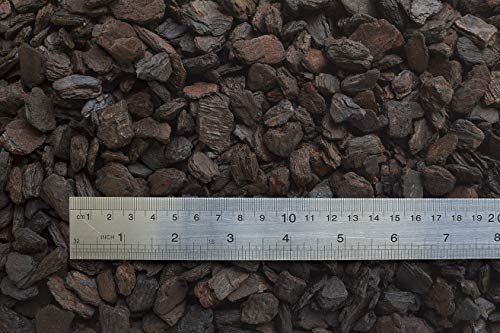
Power Plus (1/2"–3/4", 12–18mm) is the coarsest grade available on Amazon, with the highest air-filled porosity of the three — more oxygen reaches roots between waterings, and the media drains fast enough that frequent watering or a humid climate won't keep roots sitting in excess moisture. At 3.83 lbs per bag, it's also the heaviest of the three.

Suited for mature Cattleya alliance plants, larger Phalaenopsis in 6"+ pots, and experienced growers who water frequently or grow in consistently humid conditions where finer media would stay wet too long.

See on Amazon

Plus 2 more products available

Official Amazon Store

Which Orchiata Grade Fits Your Orchids?

The three Orchiata grades on Amazon share the same Pinus radiata source material and the same aging process. What changes is chip size — and chip size changes how fast the media dries, how much air reaches roots between waterings, and which genera it suits. The table below maps those differences directly to buying decisions.

Feature Classic (6–9mm) Power (9–12mm) Power Plus (12–18mm)
Chip size (imperial) 1/4"–3/8" 3/8"–1/2" 1/2"–3/4"
Air-Filled Porosity (AFP) Lower of the three Mid-range Highest of the three
Water-Holding Capacity (WHC) Highest of the three Mid-range Lower of the three
Drying time (average household) Slowest — stays moist longest Moderate — typically 48+ hours Fastest — drains and dries quickly
Bag weight 3.35 lbs Not listed 3.83 lbs
Bag volume ~4.26 liters 4.26 liters 4.26 liters
Orchid age suitability Young orchids Young and mature Mature orchids
Recommended genera Miltoniopsis, seedlings, second-potting candidates Phalaenopsis, Paphiopedilum, Cattleya alliance (4"–6" pots) Mature Cattleya, larger Phalaenopsis in 6"+ pots
Climate fit Dry climates (Phoenix, Las Vegas) or low-humidity indoor growing Most US household conditions Humid climates or frequent waterers
Pot type Clay or plastic in dry conditions Clay or plastic — broadest compatibility Plastic preferred; clay may dry too fast

If you're unsure where to start, Power (9–12mm) covers the widest range of genera and household conditions — it's the grade most growers should try first. Classic makes sense if your current media is drying out within 24 hours or you're working with young plants and seedlings. Power Plus is the right call when your plants are established, your pots are large, or your growing space stays consistently humid. And remember: in clay pots, any grade dries faster than the same grade in plastic — account for that before ordering.

Orchiata vs. Kiwi Bark vs. Standard Fir Bark

Orchiata and Kiwi Bark both come from New Zealand Pinus radiata, which puts them in a different category from domestic fir bark before any other comparison is made. Pinus radiata is harder and structurally more stable than most fir and pine species used in US garden center products — that's not a marketing claim, it's a species-level characteristic. The real question is what separates Orchiata from Kiwi, and whether standard fir bark deserves a place in the conversation at all.

Orchiata vs. Kiwi Bark

Kiwi Bark, sold through SVO Orchids and other specialty retailers, uses the same Pinus radiata source material as Orchiata. SlipperTalk forum discussions going back over a decade confirm that both products come from New Zealand plantation forests and share the same base species advantages — longevity, hardness, and structural resistance to breakdown.

The difference is in processing. Orchiata goes through Daltons' proprietary aging method, which removes the waxy outer layer of raw bark so water and nutrients adhere to the chip surface rather than beading off. The inner core stays hard. Kiwi Bark is processed more freshly — less maturing time means the outer layer may still have some of that waxy character, which affects initial water uptake until the bark seasons in the pot. Orchiata also ships with active beneficial micro-organisms (Penicillium and Trichoderma) established during the aging period. Kiwi Bark doesn't advertise this as part of its processing.

Community consensus on Reddit and SlipperTalk is that both products outperform domestic alternatives by a wide margin — but most experienced growers who've used both give Orchiata the edge on consistency and out-of-bag performance. That said, Kiwi Bark is a legitimate premium product, not a cut-rate alternative.

Orchiata orchid bark - Close-up of dark brown pine bark chunks spread flat with a ruler showing particle size scale in centim

Orchiata vs. Standard Fir Bark

This comparison is less nuanced. Fir bark sold at garden centers and in big-box nursery sections is a fundamentally different material in practice, even if it looks similar in the bag.

  • Breakdown timeline: standard fir bark typically needs replacing every 12–18 months as particles soften, compact, and restrict aeration. Orchiata is documented to last 5+ years; growers have reported plants in excellent condition after 10+ years in the same media.
  • Salt accumulation: softer fir bark absorbs fertilizer salts into the bark particle itself, which can build up and require periodic flushing. Orchiata's hard inner core doesn't absorb salts the same way — it stays structurally separate from dissolved nutrients.
  • Particle consistency: fir bark sold in mass-market bags varies significantly from batch to batch — chip size, breakdown state, and pH can all differ. Orchiata is produced to tight manufacturing specifications at Daltons' purpose-built facility and graded mechanically for size consistency.
  • pH: raw fir bark is naturally acidic and requires either pre-conditioning or regular amendment. Orchiata ships at pH 5.5–6.5, calibrated with dolomite during production.

The honest argument against fir bark isn't that it doesn't work — Phalaenopsis have grown in fir bark for decades. It's that it creates a maintenance rhythm (repotting every 12–18 months, flushing for salts, monitoring pH) that Orchiata's structure largely removes. For a grower with 10 plants, that might not matter. For a grower with 80, it very much does.

A Note on "Better-Gro" and Other Mid-Market Barks

Better-Gro orchid bark appears frequently in comparison searches, and an orchidboard.com discussion summarizes the community view plainly: "Orchiata is way better." Better-Gro uses fir bark and sits in the mid-market domestic segment. It's fine for casual growing and costs significantly less — check current pricing on Amazon for both. But it shares the breakdown timeline and salt accumulation characteristics of standard fir bark. It's not in the same category as New Zealand Pinus radiata products.

What Actually Changes When You Switch to Orchiata

Most growers switching to Orchiata for the first time expect the transition to be straightforward — and mostly it is. But the media behaves differently from softer bark in a few specific ways that catch people off guard if they're not expecting them. Here's what's real, what's a learning curve, and what the documented long-term issues are.

The Wet/Dry Cycle Feels Different

Softer fir bark absorbs water into the bark particle itself, which means the whole pot stays evenly moist for longer after watering. Orchiata's hard inner core doesn't do that — water is held on the chip's outer surface and released more quickly into the air space between particles. The result is that Orchiata can feel like it's drying out faster than your old media, even though the AFP and WHC numbers are actually excellent. It's not drying out faster so much as draining more completely.

What this means in practice: after watering Orchiata in a plastic 4" pot, you'll often see the top layer look dry within 24–36 hours even when adequate moisture remains deeper in the pot. Probe 2 inches down before deciding to water again. Growers who switch grades after thinking Orchiata "dries too fast" are often just misreading surface appearance as total dryness.

Root Behavior Changes Too

Because Orchiata drains completely and then provides air to roots, rather than staying uniformly moist, roots grow differently in it than in softer media. In decomposing fir bark, roots often stay near the surface or avoid the wet center of the pot. In Orchiata, roots extend more freely through the pot and anchor to the slightly rough chip surfaces — a behavior documented in commercial nursery use and consistent with what r/orchids users describe when they report roots "finally growing out of the drainage holes" after a switch.

That anchoring can make repotting feel messier the first time. Roots genuinely attach to the bark surface and may tear if you try to remove them intact. This is normal. It also means the plant was doing exactly what it should.

The Dolomite Depletion Issue Is Real

This is the most documented long-term issue with Orchiata, and it needs a direct answer. Dolomite added during production holds pH in the 5.5–6.5 range out of the bag. But dolomite depletes over time — roughly 9 months under normal watering conditions — and after that point, Orchiata's natural pH begins to drop as the bark ages.

For growers using municipal tap water with moderate alkalinity, this depletion is buffered by calcium and magnesium dissolved in the water itself. Not ideal, but it works. For growers using reverse osmosis water, rainwater, or other low-alkalinity sources, dolomite depletion happens faster and isn't buffered by the water supply. An American Orchid Society Facebook group discussion specifically flagged this as "a real problem for low alkalinity water users" — and it is. The fix is supplementing calcium and magnesium after the first 9–12 months, or monitoring pH with a substrate probe and amending when it drops below 5.5.

This isn't a product defect — it's a maintenance task specific to growers with low-alkalinity water. But it's worth knowing before you commit to Orchiata for a large collection.

Who Orchiata Is NOT Right For

Honest answer: it's not the right choice for mounted plants. Slab and cork mount culture depends on the mounting medium staying wet briefly and drying very fast — Orchiata in a pot is designed for a different moisture dynamic entirely. It's also not universally the first choice for large specimen Cymbidiums, where many growers prefer a mix of bark and other materials at larger pot sizes. And if your watering schedule is irregular or infrequent, the faster drainage of Power Plus may work against you — Classic or Power is a better fit for growers who can't water on a consistent schedule.

Why Commercial Growers Do the Math Differently

For a grower with 30 plants who repots every 18 months, the substrate decision is mostly about personal preference. For a grower managing 500+ plants, it's a labor and economics calculation — and that's where Orchiata's case becomes very different from any premium-product pitch.

The Repotting Labor Calculation

Repotting orchids takes time. An experienced grower can move through 10–12 plants per hour when working efficiently — washing roots, trimming dead material, potting into fresh media, labeling, and staging. At that rate, 500 plants means roughly 42–50 hours of repotting labor per cycle.

With standard fir bark needing replacement every 12–18 months, that's 42–50 hours of work recurring every year to year and a half. With Orchiata documented to last 5+ years without breakdown, the same 500-plant collection requires that labor cycle once over the same period — not three to four times. Even at a conservative estimate, that's 100+ hours of labor saved over five years. For a grower selling at shows or operating a small nursery where time has a real dollar value, that math is decisive.

Root Disturbance and Bloom Consistency

There's a second cost to frequent repotting that doesn't show up in hourly calculations: root disturbance affects bloom timing and spike reliability. Orchids repotted while in active root growth or mid-bloom cycle often skip a season or produce smaller spikes as the plant redirects energy to re-establishing its root system. Commercial growers on SlipperTalk have noted for years that plants left undisturbed in good media for multiple seasons bloom more reliably than plants on short repotting cycles. Orchiata's longevity directly reduces that disturbance frequency.

Media Consistency Matters at Scale

Small-scale growers can adapt to batch-to-batch variation in their media — if one bag of fir bark runs drier than expected, adjusting watering frequency is manageable. At 500+ plants, that kind of adaptation is a liability. Daltons manufactures Orchiata to tight specifications using purpose-built machinery with documented quality control procedures. The same media properties — chip size within the stated millimeter range, pH 5.5–6.5, consistent AFP — should show up in every bag. That consistency reduces the number of variables a commercial grower is managing simultaneously.

Buying Orchiata at Volume

The three Amazon grades cover the same ~4.26-liter bag size. For semi-commercial growers needing larger volumes, Orchiata is also available through specialist orchid retailers in 35-liter bags — a significant step up from the Amazon bag size. Retailers including orchidsupply.com and quarteracreorchids.com carry larger format bags. Check current availability directly with retailers, as stock varies. For growers in American Orchid Society chapters or regional societies, group orders through specialty retailers are a common way to reduce per-unit cost on large volumes.

What Growers Say After Years With Orchiata

"I've been growing Paphs for almost 15 years and cycled through more bark products than I can count. Switched to Orchiata Power about four years ago and haven't repotted a single plant since — the chips look basically the same as when I put them in. Roots are clean, there's no mushy material at the bottom of the pot. It's genuinely the longest-lasting media I've used."
— Robert M., Paphiopedilum collector, orchid society member
"Opened my first bag and saw white powdery stuff all over the bark — honestly almost returned it. Glad I didn't. After about a week in the pots the white coating disappeared, and my Phals started pushing new root tips faster than they had in months. Would have been nice if there was a warning on the bag that this is normal."
— Diana K., Phalaenopsis hobbyist, approximately 40 plants
"I grow in Phoenix, where anything coarser than Power dries out in under 24 hours in my conditions. Classic grade has been the right call for my Miltoniopsis and my younger Cattleya seedlings. They're not drying out between waterings the way they did with Power. My bigger, established plants are still in Power and doing fine — I just needed to think about grade selection more carefully than I did the first time I ordered."
— Lena R., intermediate collector, dry climate grower
"Run about 350 Phals and Cattleyas for local show sales. Switched my whole operation to Orchiata Power Plus three years ago after doing the repotting math. The consistency is what I didn't expect to value as much as I do — every bag behaves the same, and I don't have to adjust my watering schedule because one batch of fir bark ran wetter than the last. Time savings alone has been worth it."
— Greg T., semi-commercial grower, orchid show vendor
"One honest note: I use RO water exclusively, and after about a year in Orchiata I started seeing some yellowing that turned out to be a pH issue. Once I understood the dolomite depletion situation and started supplementing calcium and magnesium, the problem resolved. Not a product flaw — just something you need to know going in if you're on soft or RO water. I wish the product description flagged it more clearly."
— Susan W., advanced hobbyist, approximately 120 plants, RO water user
"Bought Power grade for my Phalaenopsis collection after seeing it recommended constantly on r/orchids. Roots are more active than they've ever been — genuinely growing out of every drainage hole. Only minor thing is the bag size. At about 4 liters, it goes fast if you're repotting more than 8–10 plants at once. Would buy a larger format option if it were available on Amazon."
— Marcus H., Phalaenopsis grower, urban apartment growing setup

Common Questions About Orchiata Orchid Bark

What is Orchiata orchid bark?

Orchiata is a 100% pure New Zealand Pinus radiata bark substrate produced by Daltons, a New Zealand manufacturer with 20+ years of production history. It's aged — not composted — through a proprietary process that removes the waxy outer layer of raw bark while keeping the inner core structurally hard. It ships pH-balanced to 5.5–6.5 via dolomite and is ready to use directly from the bag. Growers have documented plants in excellent condition after 10+ years in the same Orchiata media.

What are the benefits of Orchiata bark?

Orchiata's core advantages are longevity (5+ years without breakdown, versus 12–18 months for standard fir bark), pH calibration to 5.5–6.5 out of the bag, no salt accumulation in the hard inner core, and beneficial micro-organisms (Penicillium and Trichoderma) that establish during the aging process and compete with pathogens. Each chip holds water and nutrients on its outer surface while providing air to roots between waterings — the wet/dry cycle that drives strong root growth. It also doesn't require pre-flushing or conditioning before use.

How long does Orchiata bark last?

Orchiata is documented to last 5+ years without structural breakdown. Daltons states it lasts 2–3 times longer than other orchid bark mixes, and growers using it have reported plants remaining in excellent condition after 10+ years in the same media. Standard fir bark typically needs replacement every 12–18 months as particles soften and compact. Longevity varies somewhat by growing conditions — higher humidity and more frequent watering can accelerate any bark media, but Orchiata's hard Pinus radiata particles resist breakdown significantly better than fir alternatives.

Which Orchiata grade should I use for Phalaenopsis?

Orchiata Power (9–12mm) is the standard recommendation for most Phalaenopsis in 4"–6" pots under average household conditions — it provides balanced moisture retention and drainage without drying too fast or holding water too long. In dry climates (Phoenix, Las Vegas) or clay pots where moisture evaporates faster, Classic (6–9mm) may be a better fit. Power Plus (12–18mm) suits larger Phalaenopsis in 6"+ pots or growers who water frequently and need faster drainage to avoid root saturation.

Should you soak Orchiata bark before repotting?

No. Orchiata should be used directly from the bag without pre-soaking or washing. Pre-soaking removes the dolomite added during production that calibrates pH to 5.5–6.5, and washing destroys the beneficial Penicillium and Trichoderma micro-organisms established during the aging process. Both steps degrade the product's performance before it's even in a pot. The only exception: some growers in very dry climates lightly pre-wet Classic grade (6–9mm) before the first watering to help the smaller chips absorb moisture initially — but this is different from soaking or washing.

What is the white powder or fuzzy coating on my Orchiata bark?

The white or grey powdery coating you may see when opening a new bag of Orchiata is almost certainly Penicillium or Trichoderma — beneficial fungi that establish during the bark's aging process. These organisms compete with pathogens and are part of why Orchiata performs better than sterile bark over time. Per Daltons, the coating is not harmful and typically disappears once the bark is disturbed and placed in the pot. Do not wash it off. Do not sterilize the bark. Both actions remove the biology that makes Orchiata different from a plain bark product.

Why is Orchiata bark more expensive than garden center bark?

The upfront cost reflects a different cost-over-time calculation. Standard fir bark typically needs replacing every 12–18 months; Orchiata is documented to last 5+ years. For a grower repotting 30 plants every 18 months, that's three to four repotting cycles with fir bark versus one with Orchiata over five years — in labor time alone, at roughly 10–12 plants per hour, that's 6–9 hours of work saved. The New Zealand Pinus radiata sourcing, Daltons' proprietary aging process refined over 20+ years, and the media's use in commercial nurseries globally all factor into the production cost. Visit Amazon to check current pricing on all three grades.

What is the difference between Orchiata Classic, Power, and Power Plus?

The three grades differ in chip size, which affects how fast they dry and which genera they suit. Classic (6–9mm, 1/4"–3/8") has the highest water-holding capacity and dries slowest — best for young orchids, second potting, Miltoniopsis, and dry climates. Power (9–12mm, 3/8"–1/2") is the balanced all-purpose grade with the widest genus compatibility — the right starting point for most Phalaenopsis and Paphiopedilum growers. Power Plus (12–18mm, 1/2"–3/4") has the highest air-filled porosity and drains fastest — suited for mature orchids, large pots, humid climates, and frequent waterers.

Does Orchiata bark change pH over time?

Yes — this is a real and documented maintenance issue worth understanding before you commit. Orchiata ships at pH 5.5–6.5, held there by dolomite (calcium and magnesium) added during production. That dolomite depletes over approximately 9 months under normal watering conditions. For growers using municipal tap water with moderate alkalinity, depletion is partially buffered by calcium and magnesium in the water supply. For growers using reverse osmosis water, rainwater, or other low-alkalinity sources, depletion happens faster and pH can drop below the acceptable range before the bark itself shows any breakdown. The fix is supplementing calcium and magnesium after the first 9–12 months, or monitoring with a substrate pH probe and amending when readings drop below 5.5.

What is Orchiata bark made of?

Orchiata is made from 100% New Zealand Pinus radiata bark — no fillers, no blended materials, no additional organic components. The only addition during production is dolomite, a natural calcium-magnesium mineral used to calibrate pH to 5.5–6.5. The Pinus radiata is sourced from 1.8 million hectares of man-made plantation forests in New Zealand, making it a by-product of the timber industry rather than a dedicated harvest. The bark is processed through Daltons' proprietary aging method at a purpose-built facility that has been refining the process for over 20 years.

Managing Dolomite Depletion After 9 Months

Dolomite depletion is the most consistently documented long-term issue for Orchiata growers — and the one most likely to generate confusing results if you don't know it's coming. Orchiata ships with dolomite incorporated during production, which holds pH in the 5.5–6.5 range from day one. No pre-conditioning required, no amendments needed out of the bag. But dolomite isn't a permanent pH buffer — it depletes over time, and when it does, the bark's natural acidity starts to reassert itself.

Why the Timeline Varies

The ~9-month depletion estimate assumes moderate watering frequency with water of average alkalinity — roughly what municipal tap water provides in most US cities. But two variables accelerate that timeline significantly.

  • Water type: Reverse osmosis water and rainwater are low in dissolved calcium and magnesium. Because these minerals aren't being replenished through the water supply, dolomite in the bark depletes faster. An American Orchid Society community discussion specifically flagged this as "a real problem for low alkalinity water users" — and it is. If you're on RO or rainwater, expect dolomite depletion closer to 6 months than 9.
  • Watering frequency: More frequent watering means more water passing through the bark, which accelerates mineral leaching. Commercial growers watering daily in greenhouse conditions may see depletion faster than hobbyists watering twice a week.

How to Tell If pH Has Dropped

Early signs of significant pH drop in orchid bark include unexplained yellowing of new growth, reduced root tip activity in plants that were previously growing well, and in more advanced cases, root damage that doesn't correspond to overwatering or underwatering. None of these symptoms are unique to pH problems — but if you're past 9–12 months with Orchiata and using soft water, pH should be one of the first things you check.

A substrate pH probe or simple soil pH test kit pushed into moist bark will give you a reading. Below 5.5 in Orchiata is worth acting on. Below 5.0 is a problem that needs immediate correction for sensitive genera.

What to Do About It

There are two approaches, and most growers use a combination of both.

  • Supplement through irrigation: Adding a small amount of calcium-magnesium supplement (Cal-Mag products designed for hydroponic or orchid use) to your water once a month replenishes the minerals that dolomite was providing. This is the easiest long-term solution and adds minimal complexity to a watering routine.
  • Apply dolomite lime directly: Agricultural dolomitic lime can be worked lightly into the top layer of the bark or dissolved in water and applied as a drench. This is a more direct correction — useful if you're already seeing pH-related symptoms.

The bark itself is almost certainly still structurally sound at the 9–12 month mark — Orchiata's hard Pinus radiata particles don't decompose on the same timeline as its dolomite buffer. Dolomite maintenance is a normal part of long-term Orchiata use, not a sign the product is failing. Think of it the same way you'd think about fertilizer supplementation — expected, manageable, and well worth understanding before you're troubleshooting yellowing leaves without a clear cause.

Who Needs to Pay the Most Attention

Growers who can largely ignore dolomite depletion: those watering with moderate-alkalinity tap water, growing genera that tolerate a wider pH range, and repotting on a 3–4 year cycle anyway (at which point fresh Orchiata brings new dolomite into the pot). Growers who need to manage it actively: anyone on RO or rainwater, growers of pH-sensitive genera like Miltoniopsis (which strongly prefers pH 5.8–6.2), and commercial growers managing large collections where individual plant monitoring isn't realistic. For this last group, a monthly Cal-Mag supplement added to the irrigation routine is the lowest-effort way to maintain the pH environment Orchiata provides out of the bag.

How Orchiata Stacks Up Against Other Barks

This 16-minute review puts five orchid bark brands side by side, giving you a direct comparison of what separates Orchiata from cheaper alternatives you'll find on Amazon. The host walks through what actually matters when choosing potting media — not just price — so you can see how Orchiata's structure and performance hold up against the competition. If you've ever grabbed the least expensive bag and regretted it six months later, this is worth watching before your next repot.

Where Orchiata Comes From and Why It Matters

Orchiata is produced by Daltons, a New Zealand manufacturer that has been refining its orchid bark production process for over 20 years. The raw material — Pinus radiata bark — comes from 1.8 million hectares of man-made plantation forests in New Zealand, forests planted and managed for the timber industry. The bark is a by-product of that harvest, not a dedicated crop. That sourcing distinction matters because it means consistent access to the same species, from the same managed environment, batch after batch. Pinus radiata grown in New Zealand's climate is harder and structurally more stable than most fir and pine species used in domestic US bark products — that's a species-level characteristic that shows up in every bag.

What separates Orchiata from other New Zealand Pinus radiata products is what Daltons does with that raw material. Raw bark has a waxy outer layer that repels water. Orchiata goes through a proprietary aging process — not composting, which breaks down the entire particle — that removes only that outer layer while leaving the inner core structurally intact. The result is a chip that absorbs water and nutrients on its surface while staying hard inside. The aging period also promotes beneficial micro-organisms, specifically Penicillium and Trichoderma, which colonize the bark during production and actively compete with pathogens in the pot. That biology doesn't exist in freshly processed or sterilized bark products. The track record of this approach: Orchiata has been the dominant substrate in Japanese commercial orchid nurseries for over 30 years, used at production scale where substrate performance has real economic consequences.

Orchiata reached the US market through specialist orchid retailers before its Amazon listing — the brand's reputation was built in orchid societies, at shows, and on forums like SlipperTalk and r/orchids, not through mass-market advertising. That's still where most serious growers first hear about it. The Amazon listing makes it more accessible, but the product was designed for and proven by people who grow orchids seriously — not casual buyers looking for something to fill a pot.

About Orchiata and Daltons

Orchiata is manufactured by Daltons, based in New Zealand, with over 20 years of production history in orchid substrates. Daltons operates purpose-built processing facilities and produces Orchiata to tight manufacturing specifications across all five grades. The brand is distributed in the US through Amazon and specialist orchid retailers including orchidsupply.com and quarteracreorchids.com, which also carry larger-format bag sizes not currently listed on Amazon.

Customer Support

For questions about orders placed through Amazon, use Amazon's standard buyer-seller messaging system via the Orchiata store page. For product questions or growing advice, contact us directly or through the contact form on this site. Daltons stands behind Orchiata with a satisfaction guarantee — if there's an issue with your order, reach out and it will be addressed.

Purchasing and Availability

All three Amazon-listed grades — Classic (6–9mm), Power (9–12mm), and Power Plus (12–18mm) — are available in 4.26-liter bags through the Orchiata store on Amazon with standard Amazon fulfillment and shipping. Growers needing larger volumes for semi-commercial use should contact specialist orchid retailers directly, as 35-liter bag formats are available through those channels. Check current pricing and availability on Amazon — pricing is not displayed on this site per Amazon Associates guidelines.